AI Writing & VideoTop deals
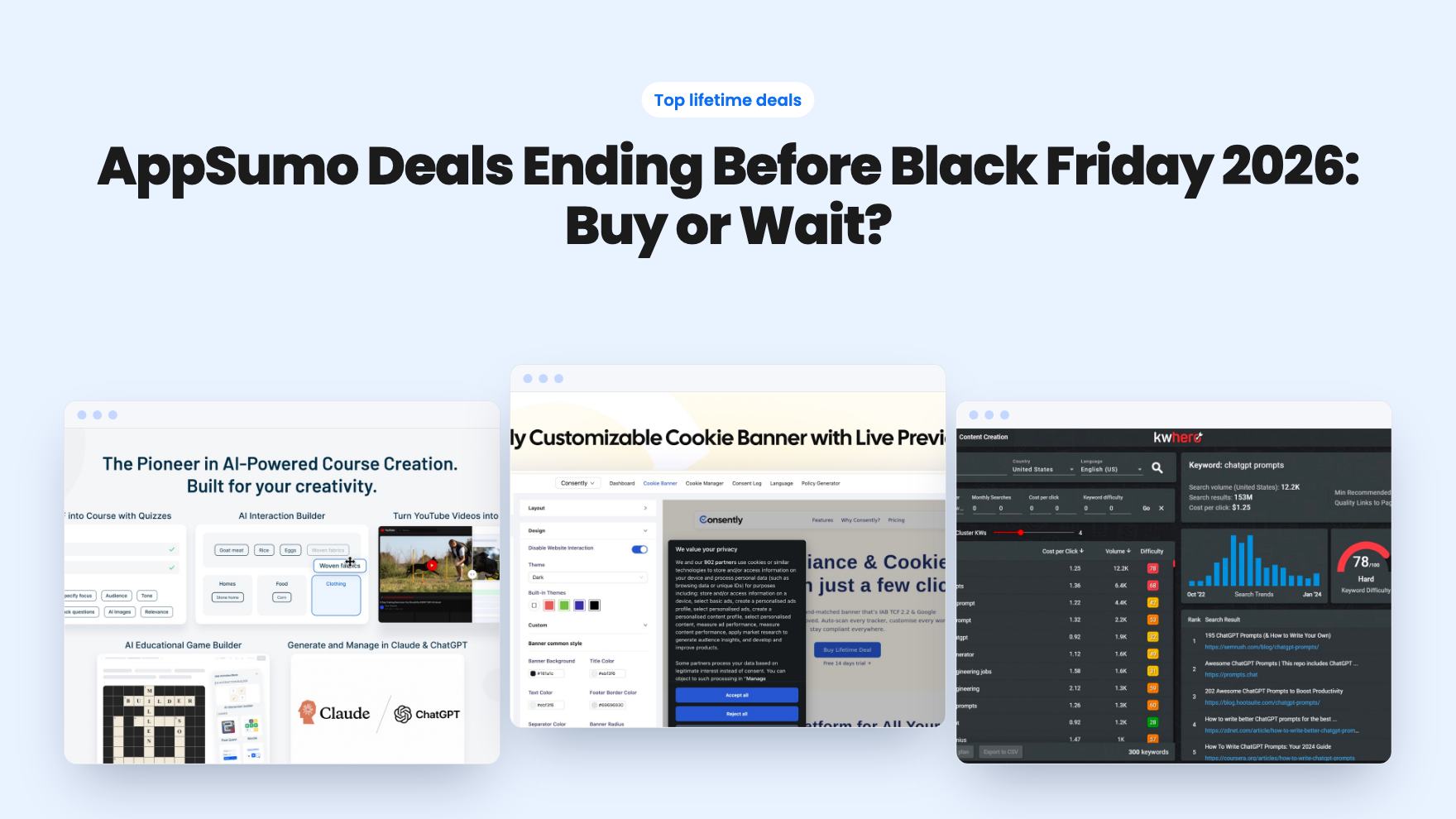
AppSumo Deals Ending Before Black Friday 2026: Buy or Wait?
Fourteen AppSumo lifetime deals end before Black Friday on November 27, 2026. Here are the seven worth a look now, and who should skip them.
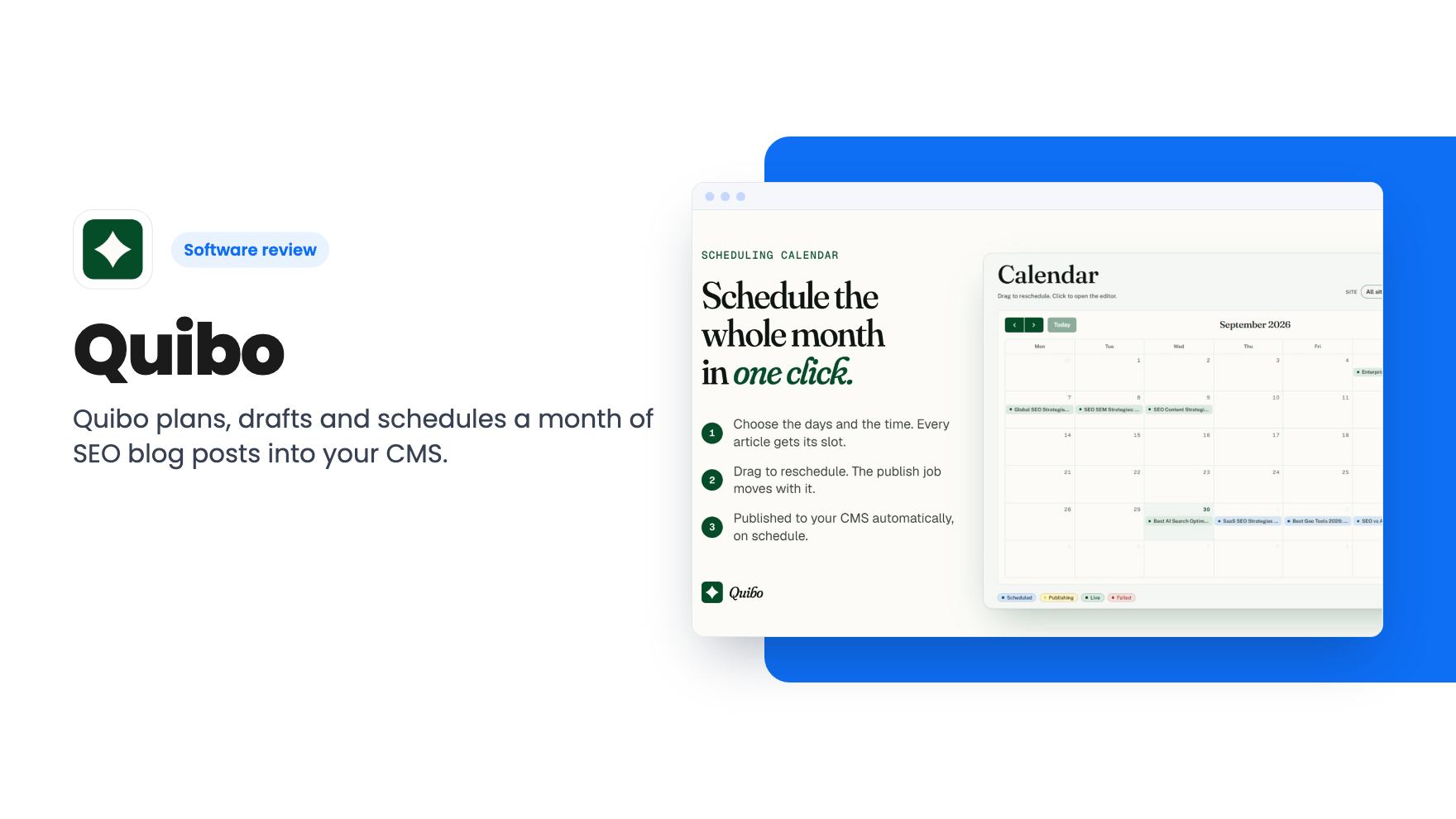
Quibo plans, drafts and schedules a month of SEO blog posts into your CMS. The $79 AppSumo tier is small, so check the monthly caps first.
Lifetime deal price
$790
Lifetime Deal
Our take: Quibo suits a small business or solo marketer who wants a steady blog on WordPress, Webflow, Shopify or a similar CMS and is willing to review every draft. Skip it if you need deep, researched long-form, publish to a platform outside its list, or plan to rely on the $79 tier's 5 posts a month. The product is young and the search results quoted come from the vendor's own site.
Most small business blogs die the same way. Someone writes four posts in a burst of enthusiasm, the keyword spreadsheet goes stale, and by spring nothing has been published for ten weeks. Quibo is aimed at that gap. The AppSumo listing pitches it as a way to plan a month of articles in one sitting and come back to a calendar full of drafts.
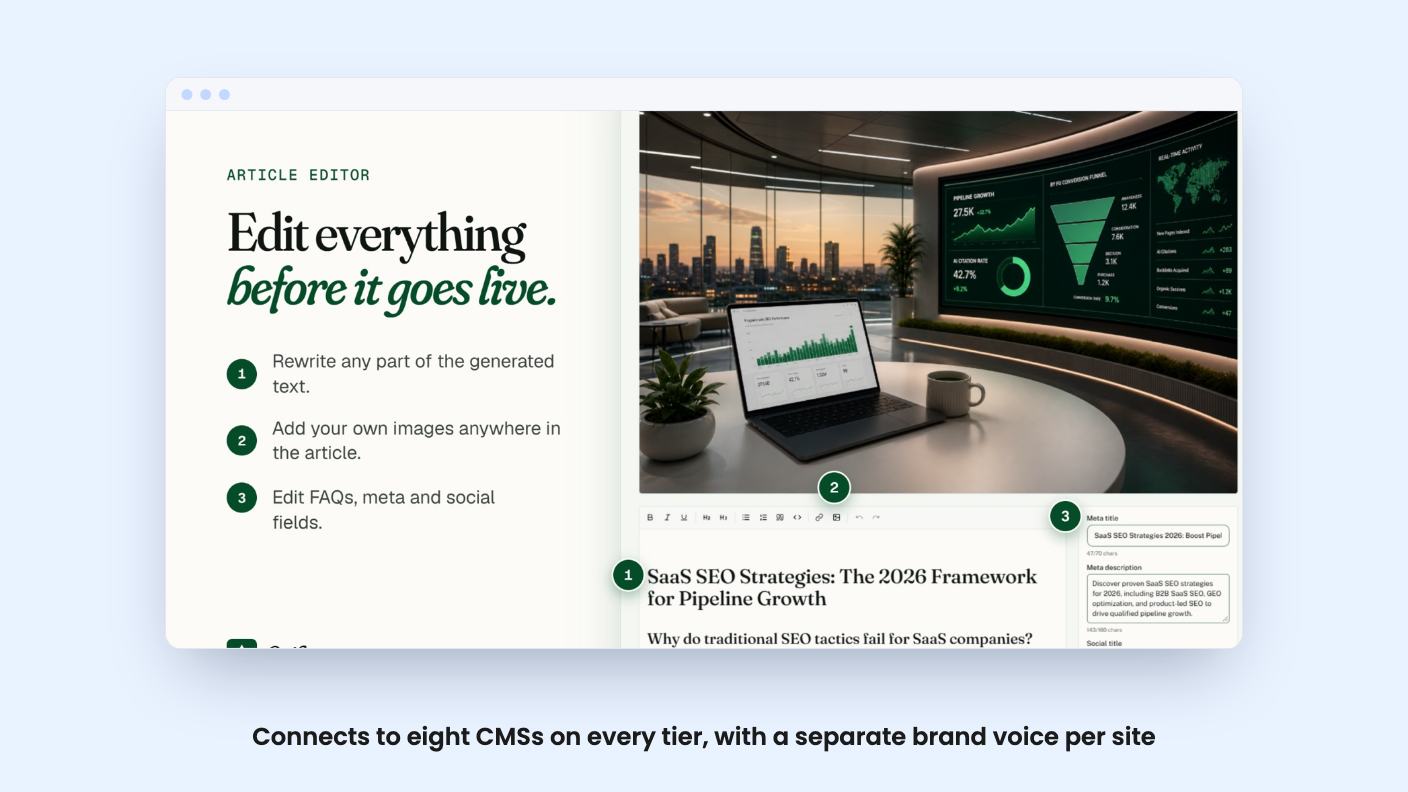
We haven’t used it, so this review is built from the listing alone. Treat everything below as what the vendor says, plus our view on what that means for your budget.
You paste one key per site. Quibo then discovers your fields, authors and categories on its own. The listing names eight CMSs: WordPress, Shopify, Webflow, Wix, Ghost, HubSpot, Sanity and Framer. The integration badge on the page only lists four of them, so the FAQ is the better guide, and it says every connector is included on every tier.
It also reads your existing pages and builds a brand voice profile covering tone, audience and typical phrasing. You can edit that profile whenever you like. That matters, because generic voice is where AI blog posts usually fall flat. A profile you can correct is better than one you can’t, though we can’t tell you how closely the output follows it.
Language is picked up from your site. The listing says articles are written natively, not translated, in English, Italian, Spanish, German, French, Brazilian Portuguese, Dutch, Polish and Japanese. If you run a non-English site, that’s a real point in its favour.
Credentials are encrypted with AES-256-GCM and never shown again. That’s a sensible claim to make, but we can’t verify it from here.
The workflow is simple. Quibo gives you a ranked list of keyword candidates, with traffic plotted against difficulty. You tick the ones you want. The listing says that takes about ten minutes for a full month.
Then you wait. A month of drafts takes roughly ninety minutes, and the listing says that holds on every tier. Auto-distribute spreads the articles across the calendar in one click. You can drag any article to another day, and the publish job follows it. One screen shows draft, approved, scheduled and published status for the whole month.
The approval gate is the part we like most. Every article waits as a draft, and approving it is what arms the scheduled publish job. Nothing goes live unattended.
The flip side is that you still have to read what you approve. On a higher tier that could be 40 articles a month, and the listing doesn’t say how long they are or how Quibo checks its facts. Budget real review time, especially for anything with prices, laws or technical claims.
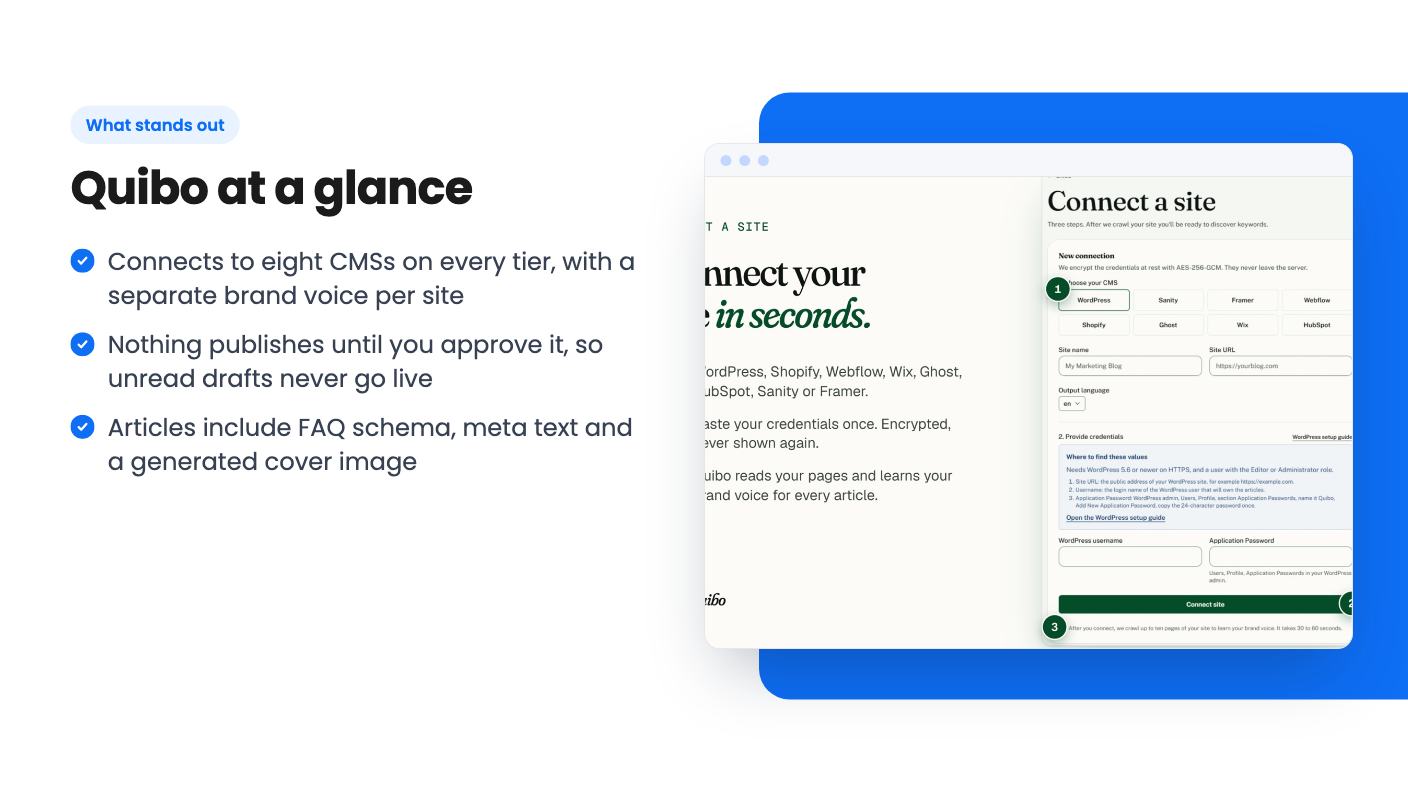
Quibo formats articles with search and AI answer engines in mind. Headings are written as questions people actually search, with the answer in the first sentence underneath. It also generates JSON-LD with Article, FAQPage and BreadcrumbList data, a meta title and description written to length, and a cover image made for the piece rather than a stock photo.
AI use is declared in the markup as contentRating: AI-generated, human-reviewed. That’s an honest choice, though the label only holds up if a person really did review the piece.
Our reservation is repetition. If every post has question headings and answer-first paragraphs, a blog can start to feel formulaic after a few months. The listing shows no sample article, so we can’t judge how much variety there is. Ask for one, or read the vendor’s own site, before you buy.
The articles live on your own domain in your own CMS. If you stop using Quibo, nothing disappears. That’s a quiet but important advantage over tools that host your content.
The listing’s plan table doesn’t label its columns. It reads 40 / 25 / 12 / 5, which lines up with the tiers in descending order, so we’ve read it that way. Here’s the breakdown on that reading:
Five posts a month is a little over one a week. For a single local business blog, that’s a workable pace, and $79 is a modest bet. But it’s the entry tier, and it’s also the one without the Search Console report.
The agency maths is less friendly. Tier 4 offers 20 sites and 40 posts. If that cap is shared across sites, it works out to two posts per client per month. The listing doesn’t say whether the cap is per site or total, so find that out before you buy for client work.
All tiers include future plan updates, and you can move between the four tiers. You must activate your license within 60 days. The excerpt we have doesn’t state the refund terms, so check AppSumo’s page for those.
The listing points to vexp.dev, a sister site running the same engine. It cites 4.67K Google clicks at a 3.1% click-through rate between 25 February and 30 August 2026, and 3.3K AI citations in Bing Webmaster Tools from March to August 2026. To its credit, the listing says this is one site and not a guarantee, and it admits nobody can promise Google won’t penalise AI-assisted content.
Still, it’s the vendor’s own site, and we don’t know its niche, age or how much human editing went in. AppSumo shows 2 reviews averaging 5.00, which is too few to tell you much. This is a young product, so expect rough edges and a roadmap you’re trusting on faith.
Skip Quibo if your content depends on original research, interviews or strong personal opinion. A keyword-driven system produces articles that answer searches, not articles people remember. Skip it too if your site runs on a platform outside the eight listed, or if you won’t set aside time to read every draft.
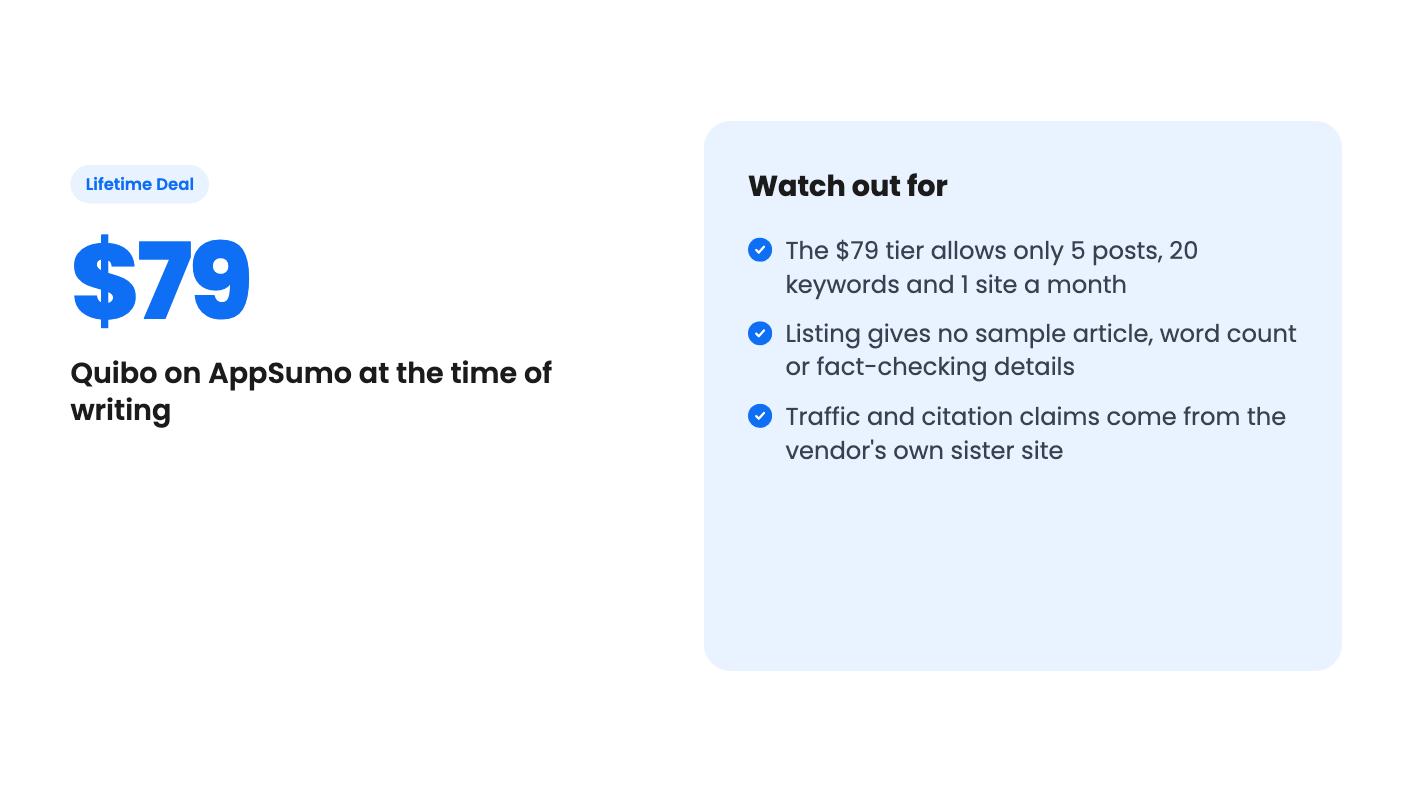
It makes the most sense for a solo owner or small team with one WordPress, Webflow or Shopify site and a blog that keeps going quiet. Start at the lowest tier that matches your real posting pace, ask the vendor for a sample article, and don’t buy a bigger tier on the strength of one sister site’s search numbers.
No. The listing says generation is included in your license, with no credits to buy and no usage meter. You are still limited by the monthly post and keyword caps on your tier.
No. Every article sits as a draft until you approve it, and approval is what arms the scheduled publish job. An article you never open never goes live.
Tier 1 at $79 gives 5 AI posts and 1 site a month, which is enough for a trial on one blog. Tier 2 at $179 gives 25 posts across 8 sites. Agencies should look at the $349 and $549 tiers, but the listing doesn't say whether the post cap is shared across sites.
How this review was made: researched from Quibo's official listing, and written with help from AI. We have not tested Quibo hands-on yet. Prices and deal terms change, so check AppSumo before you buy. See our affiliate disclosure.
Fourteen AppSumo lifetime deals end before Black Friday on November 27, 2026. Here are the seven worth a look now, and who should skip them.
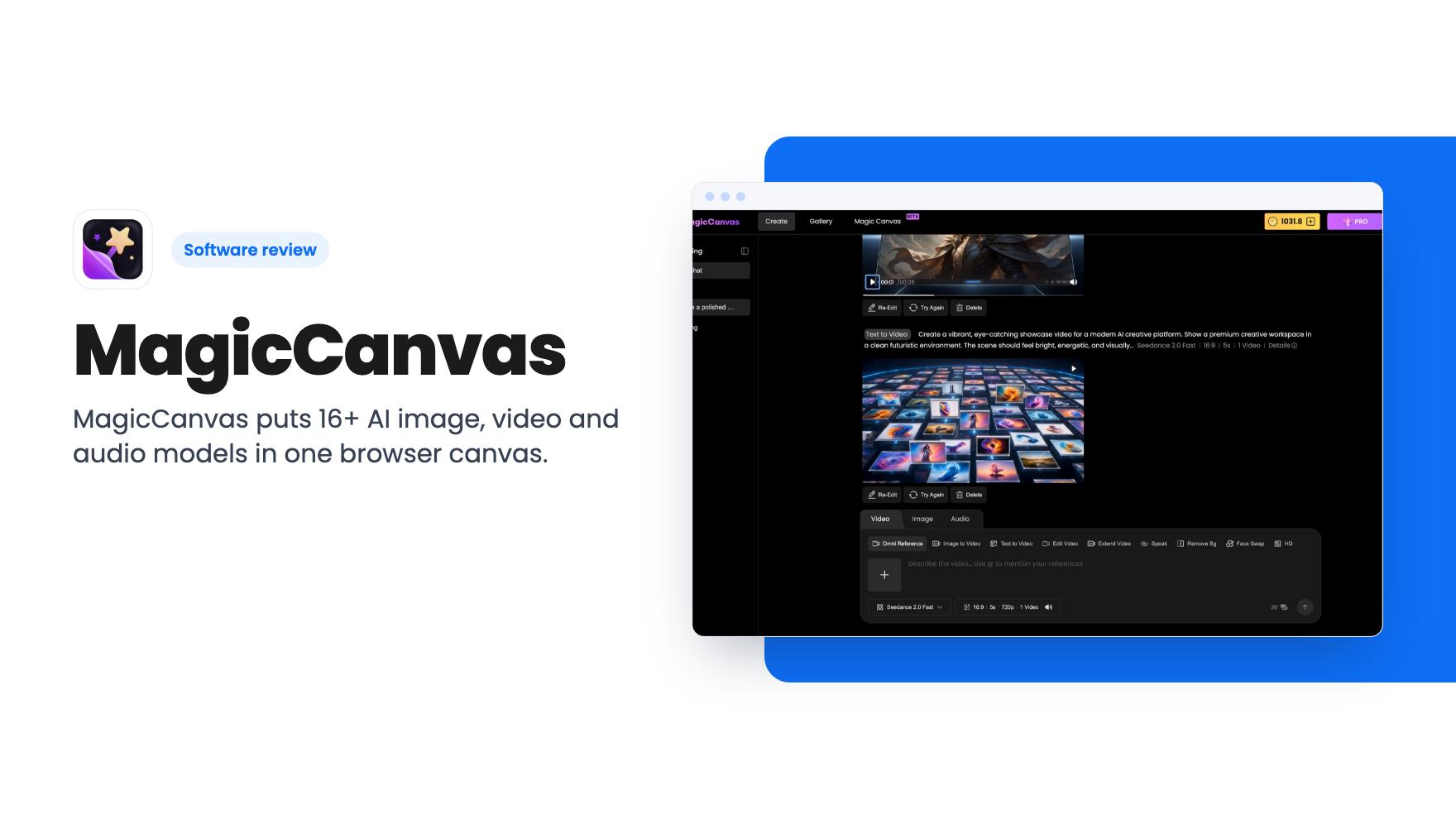
MagicCanvas puts 16+ AI image, video and audio models in one browser canvas. The $59 lifetime deal looks cheap, but the monthly credit caps matter most.
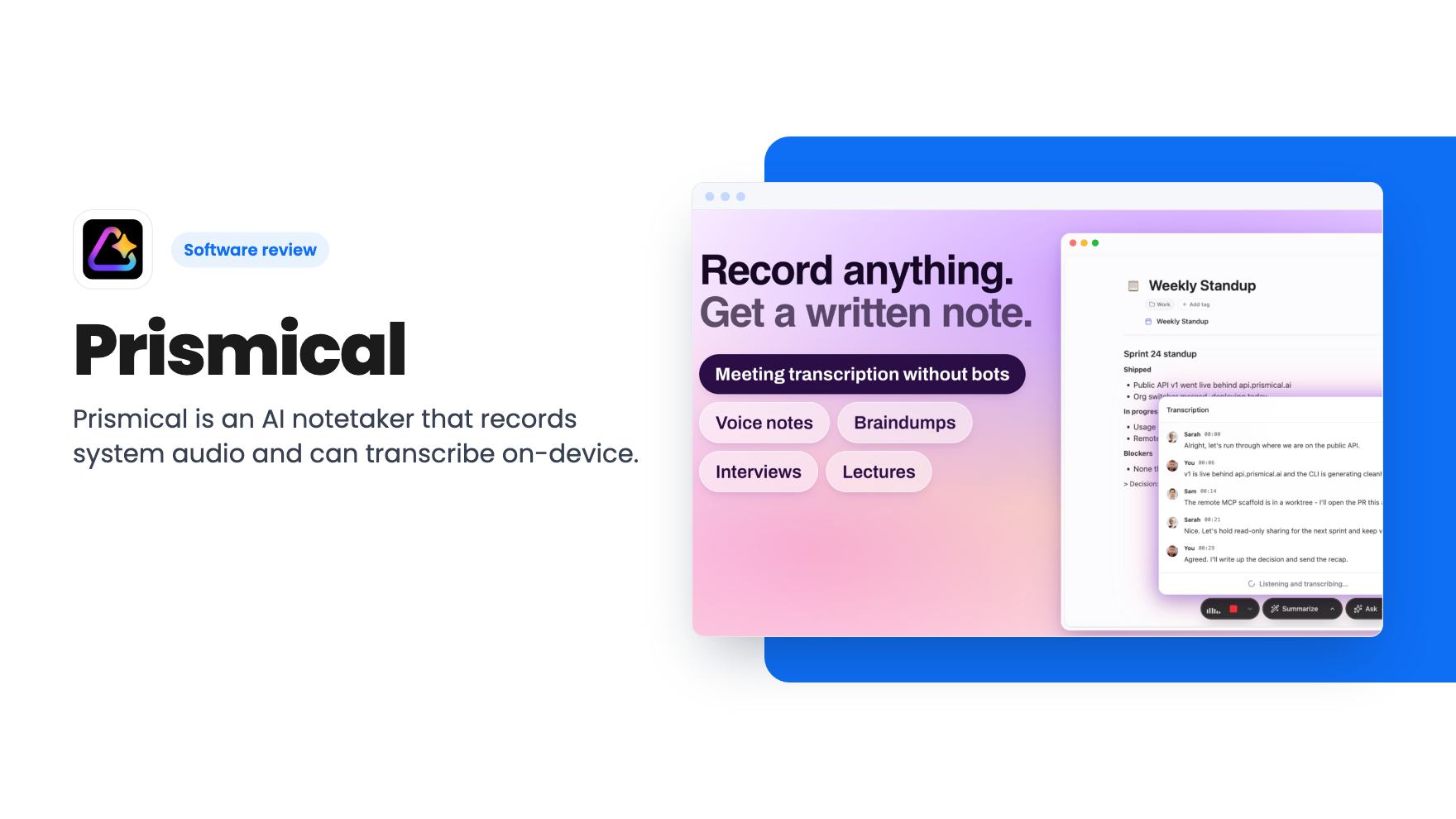
Prismical is an AI notetaker that records system audio and can transcribe on-device. The AppSumo lifetime deal runs $59 to $749, and the tier limits matter.