AI Writing & VideoTop deals
AppSumo Deals Ending Before Black Friday 2026: Buy or Wait?
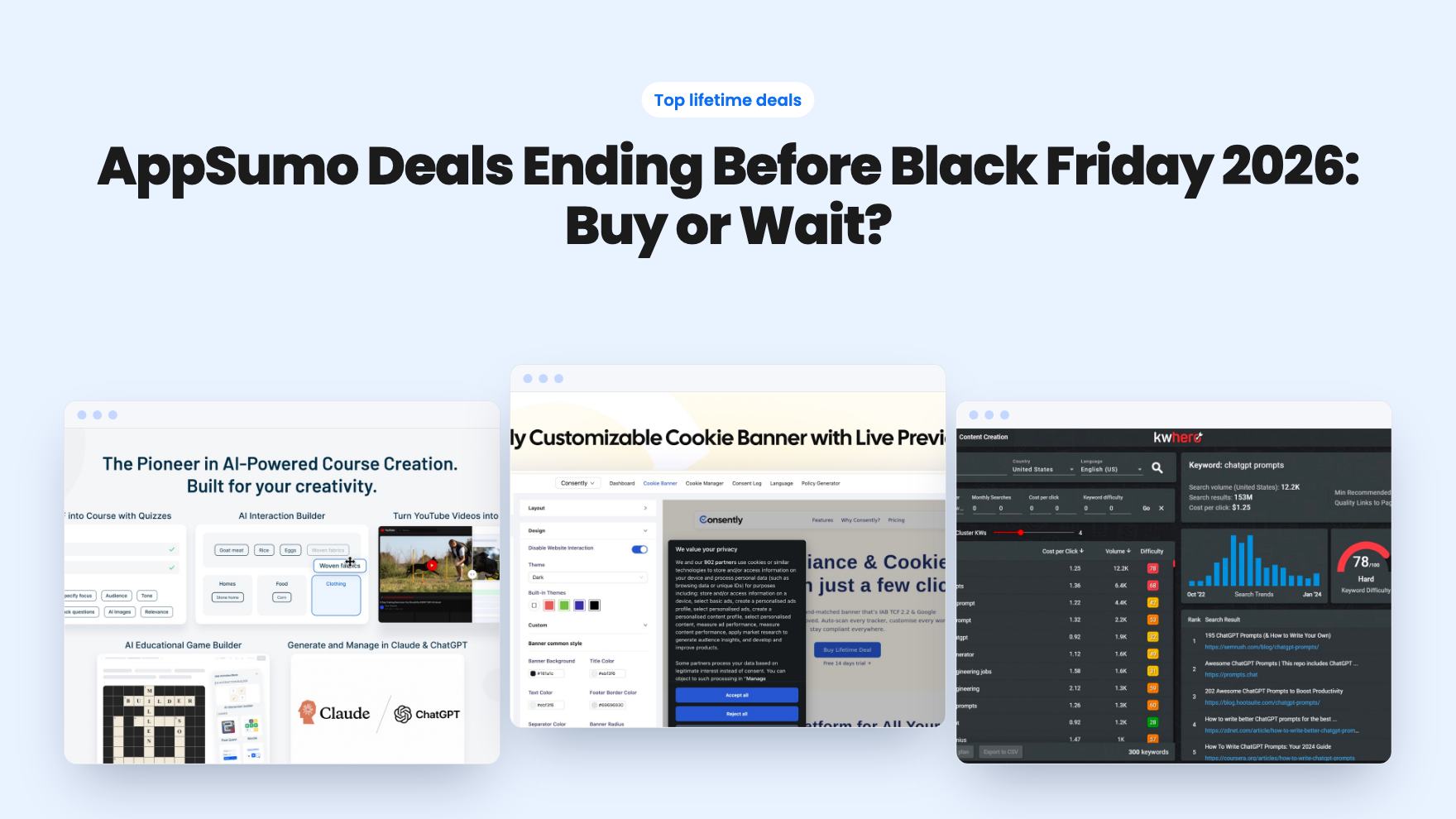
Fourteen AppSumo lifetime deals end before Black Friday on November 27, 2026. Here are the seven worth a look now, and who should skip them.
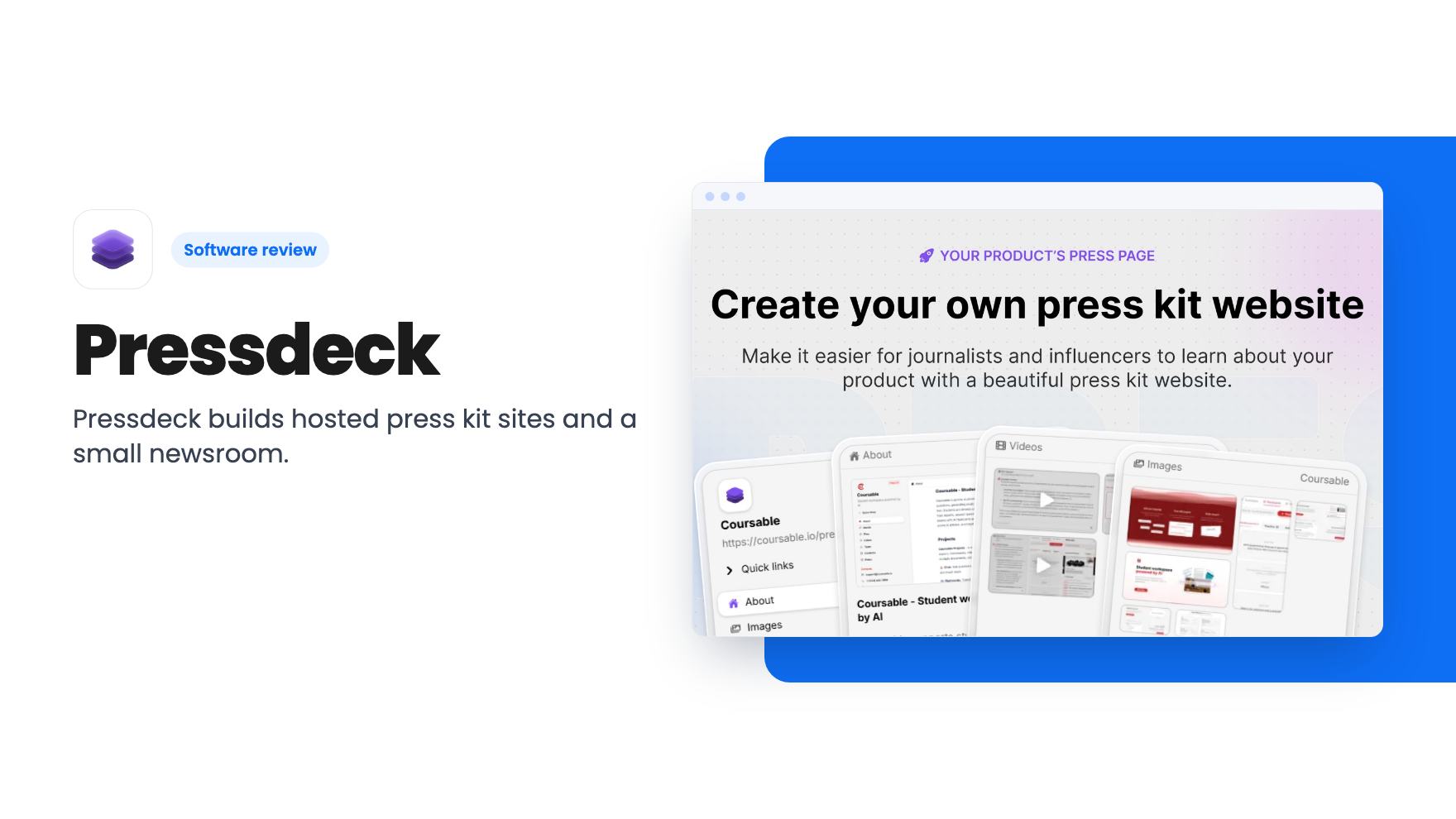
Pressdeck builds hosted press kit sites and a small newsroom. The AppSumo deal starts at $49 per published kit, but the SEO claims are marketing and the product is young.
Lifetime deal price
$49$23679% off
Lifetime Deal
Our take: Buy it if you launch products or clients often and want one tidy link to send journalists, especially if you ship iOS apps. Skip it if you want proof of press results, a media database or outreach tools, because the listing offers none of those and its SEO promises are unverified.
A reporter replies to your pitch with one line: “Can you send a logo, a headshot and a short company description?” So you dig through Slack, an old Drive folder and last year’s pitch deck, and you send four attachments in the wrong resolution. It’s a small embarrassment, but it happens at the exact moment someone is deciding whether to write about you.
Pressdeck is built to end that scramble. It gives you a hosted press kit site, a single link holding your brand assets, company details and contacts, plus a small newsroom for announcements. It’s on AppSumo as a lifetime deal starting at $49, and the idea is sensible. The details are where you need to pay attention.
According to the listing, the home page of each kit holds company details, product information, contacts, team profiles and helpful links. Below that you get dedicated sections for images, videos, logos, files, colors, brand guidelines and media coverage.
That last one is a quiet but useful inclusion. A reporter who sees that other outlets have already covered you has a reason to take you more seriously, and you can show it without a separate page.
Branding controls are decent on paper. You can pick a design template, set brand colors, upload a logo and favicon, and control how the kit looks when shared on social platforms. The listing says everyone also gets a “bespoke rich landing page” using a Notion-style editor. We haven’t seen that editor in action, and there’s no product video, so we can’t tell you whether it feels polished or clunky.
Sharing is flexible. You can send a plain link, connect a custom domain or subdomain, or embed the kit on your existing website. For most small businesses, a press.yourcompany.com address is the right choice. It looks professional and keeps the kit under your name.
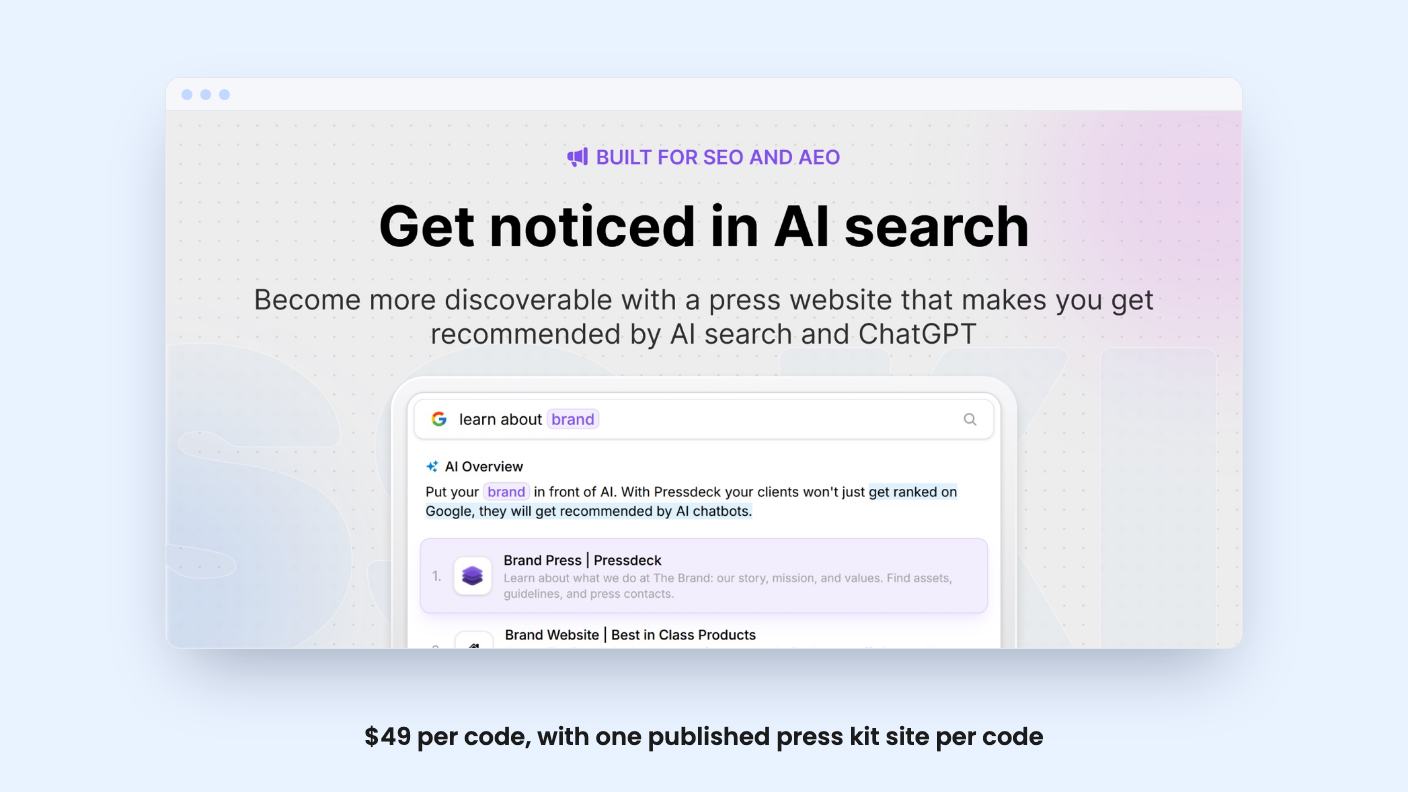
The listing leans hard on discovery. It says kits are “perfectly optimized” to rank in Google, ChatGPT and Perplexity, that you benefit from Pressdeck’s backlinks and domain rating, and that pages load fast from a global CDN and work well on mobile.
Some of that is plausible. Hosting your kit on an established domain can help a new page get indexed faster, and fast, clean pages are good practice. But the listing offers no rankings, no case studies and no numbers. Phrases like “always at the top” are marketing language, and nobody can promise that.
The AI search angle is even harder to judge. How ChatGPT or Perplexity pick sources isn’t something a vendor controls. A well-structured page with clear facts about your company may get cited more often. It may not. We’d treat this as a bonus, not a reason to buy.
The newsroom is the most practical extra. You can post announcements, press releases and change logs on shareable pages, written in the same Notion-style editor. If you already announce launches on a blog, this could replace a page you’d otherwise build in WordPress. If you don’t, it gives you a place to start.
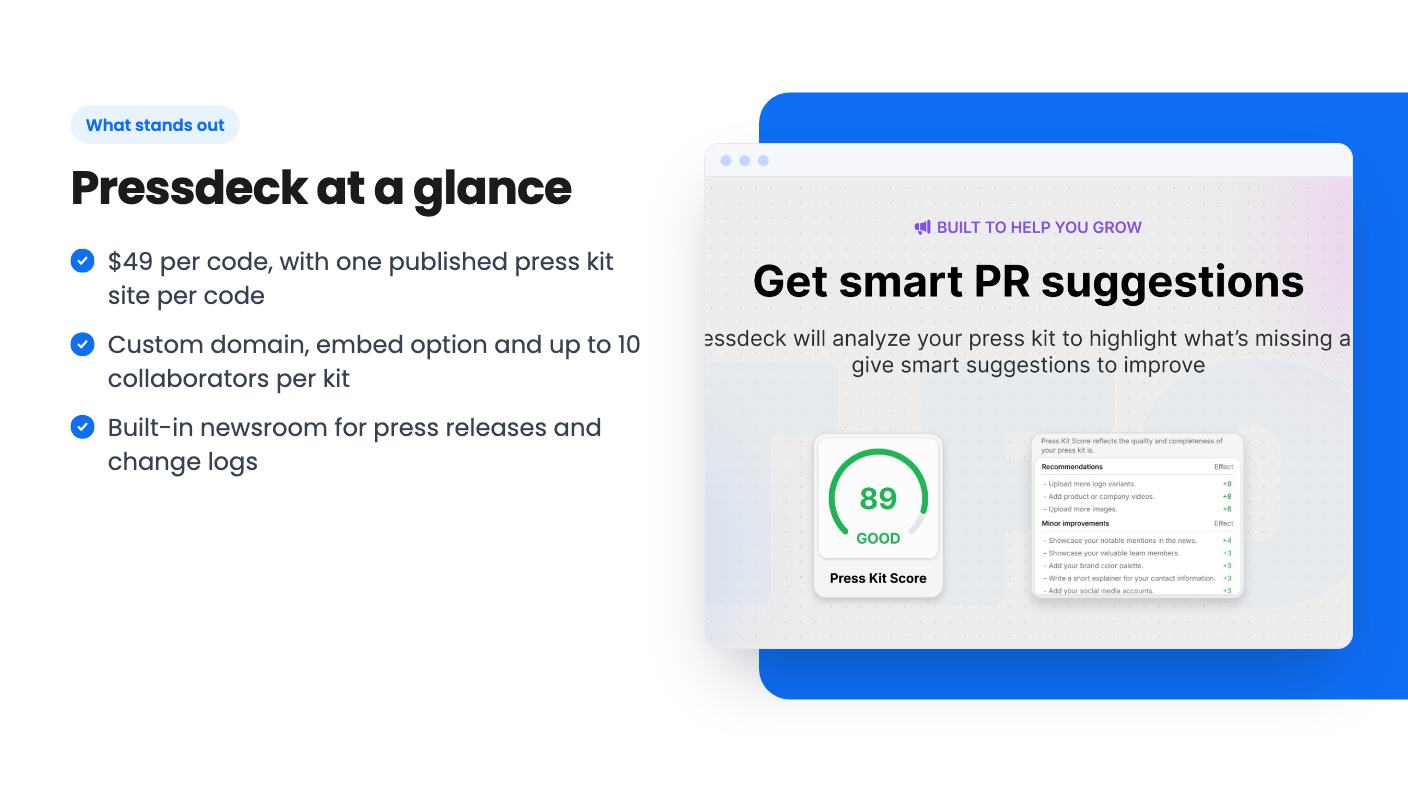
The Press Kit Score is a feedback tool. It rates your kit and gives suggestions for getting more coverage. The listing doesn’t explain how the score is calculated or what it checks, so it may be generic advice. It could still be handy as a checklist if you’ve never built a kit before.
Then there’s the iOS import. If you have an app on the App Store, Pressdeck can create a first draft of your kit from that listing using AI, and you edit every section before publishing. That’s a real time saver for indie app developers. It’s also the only integration listed, and it’s Apple only. The listing doesn’t mention Google Play, so Android developers should assume they’re building by hand.
Collaboration is covered too. You can invite up to 10 collaborators to edit a kit and transfer ownership later. That suits agencies who build a kit for a client and then hand it over.
The pricing is simple, but the limits matter. Every tier gives lifetime access, all future plan updates, and you must redeem your codes within 60 days of purchase. You can stack up to 10 codes.
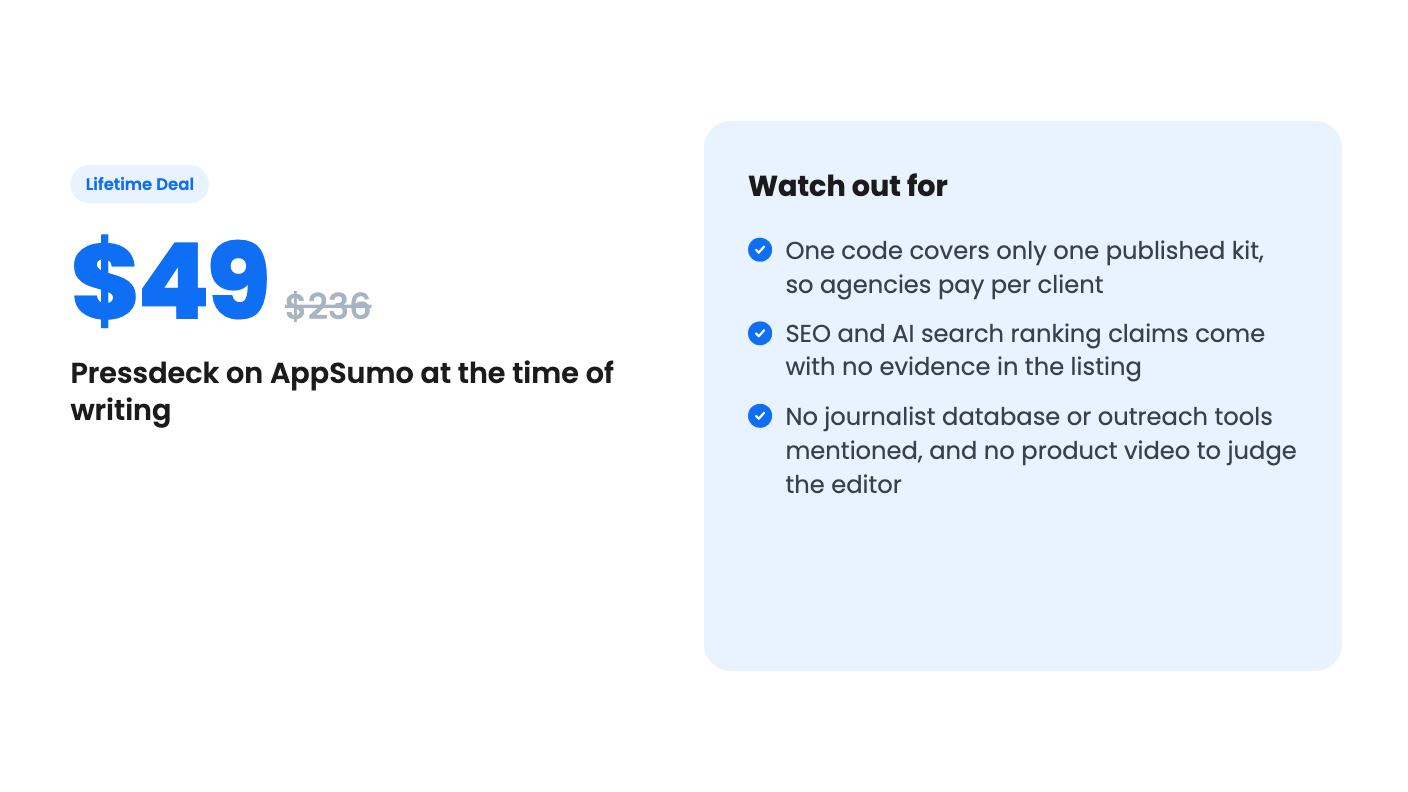
One code includes one published press kit website. You can create unlimited kits on an account, but only the published ones count against your codes. So the $49 entry tier covers a single live site. An agency with five clients needs five codes, which is around $245 at the listed price, and the top tier at $490 covers ten.
There’s one oddity in the listing. The tiers climb in price from $49 to $490, but the licenses line reads “10 / 9 / 8 … 1” in descending order. Read literally, that would give the cheapest tier the most licenses, which makes no sense. The pricing steps suggest one more code for every extra $49, but check the checkout page before you pay.
The listing also doesn’t say anything about storage limits for images and videos, bandwidth caps, or how many newsroom posts you can publish. It doesn’t mention analytics, such as how many journalists opened your kit. Those aren’t dealbreakers, but they’re worth asking the seller about.
Pressdeck also looks like a young product. The listing’s alternatives list (Dropbox, Notion, WordPress) is a stretch, since it doesn’t offer general file storage or a full website builder. Lifetime deals depend on the company staying around, and we can’t tell you how long it has been operating.
Skip this if you were hoping for press coverage to appear. Pressdeck helps you present yourself to journalists. It doesn’t, according to the listing, find them, pitch them or send releases for you. There’s no media database, outreach tool or distribution service mentioned, and those are where most of the actual PR work happens.
Skip it too if you rarely deal with the press. A decent Google Drive folder and a short About page do the same job for a business that gets a media request twice a year.
It makes more sense for founders with regular launches, small agencies building kits for clients, and indie iOS developers who can use the App Store import. For them, $49 per kit is cheap compared with paying a designer or building a page from scratch. Just buy it for the tidy kit and the newsroom, and treat the search ranking claims as unproven until you see results of your own.
One. According to the listing, you can create unlimited press kits on an account, but each one must be published individually and one code includes one published press kit website. Agencies with several clients need to stack codes, up to 10.
Yes. The listing says you can connect a custom domain or subdomain, or embed the kit on your existing site. You can also change the template, colors, logo, favicon and social previews.
The listing claims strong SEO, backlinks and instant indexing, but it gives no data, rankings or case studies. Treat it as a tidy, well-structured page that may help discovery. Don't treat it as a coverage guarantee.
How this review was made: researched from Pressdeck's official listing, and written with help from AI. We have not tested Pressdeck hands-on yet. Prices and deal terms change, so check AppSumo before you buy. See our affiliate disclosure.
Fourteen AppSumo lifetime deals end before Black Friday on November 27, 2026. Here are the seven worth a look now, and who should skip them.
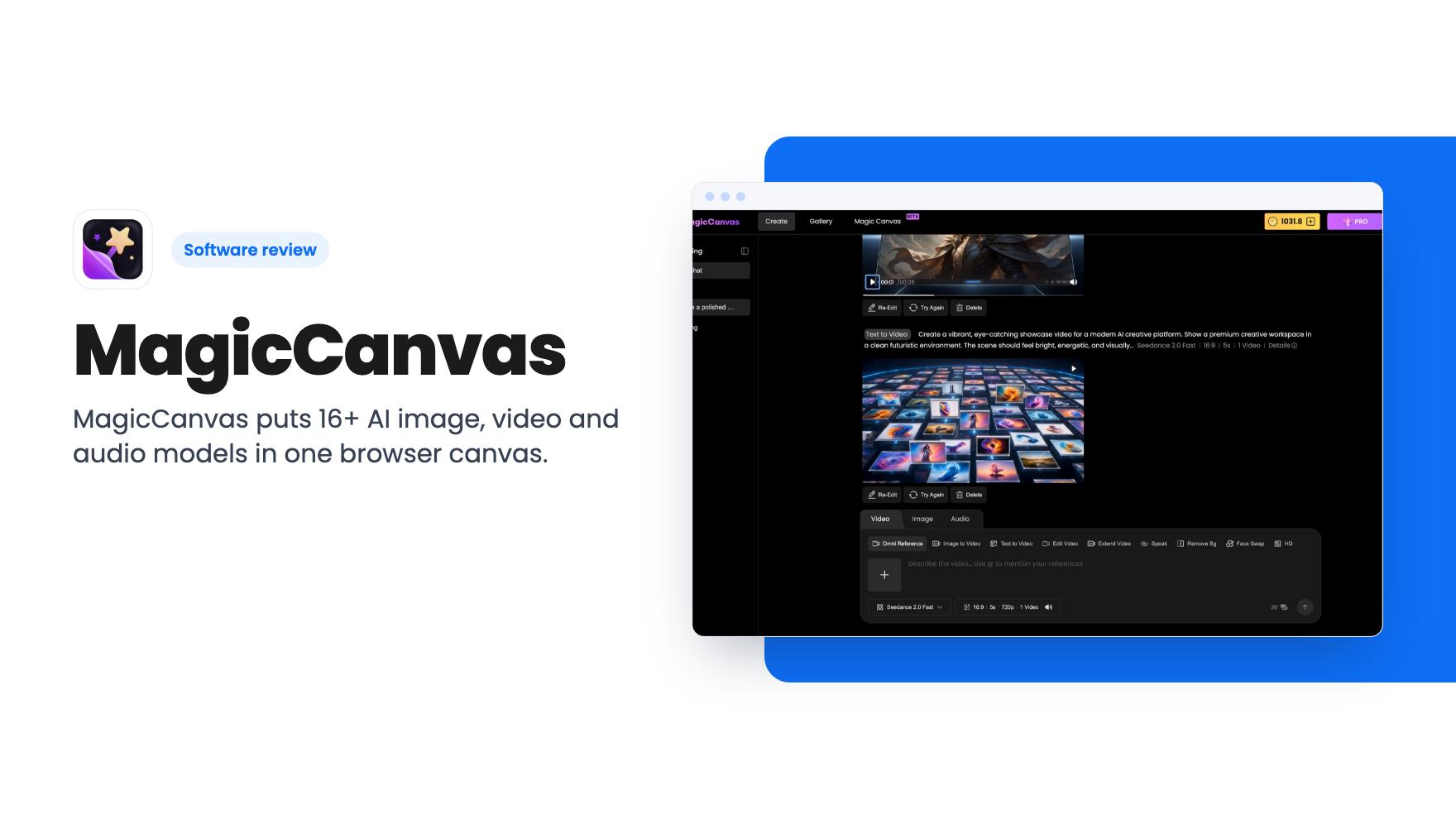
MagicCanvas puts 16+ AI image, video and audio models in one browser canvas. The $59 lifetime deal looks cheap, but the monthly credit caps matter most.
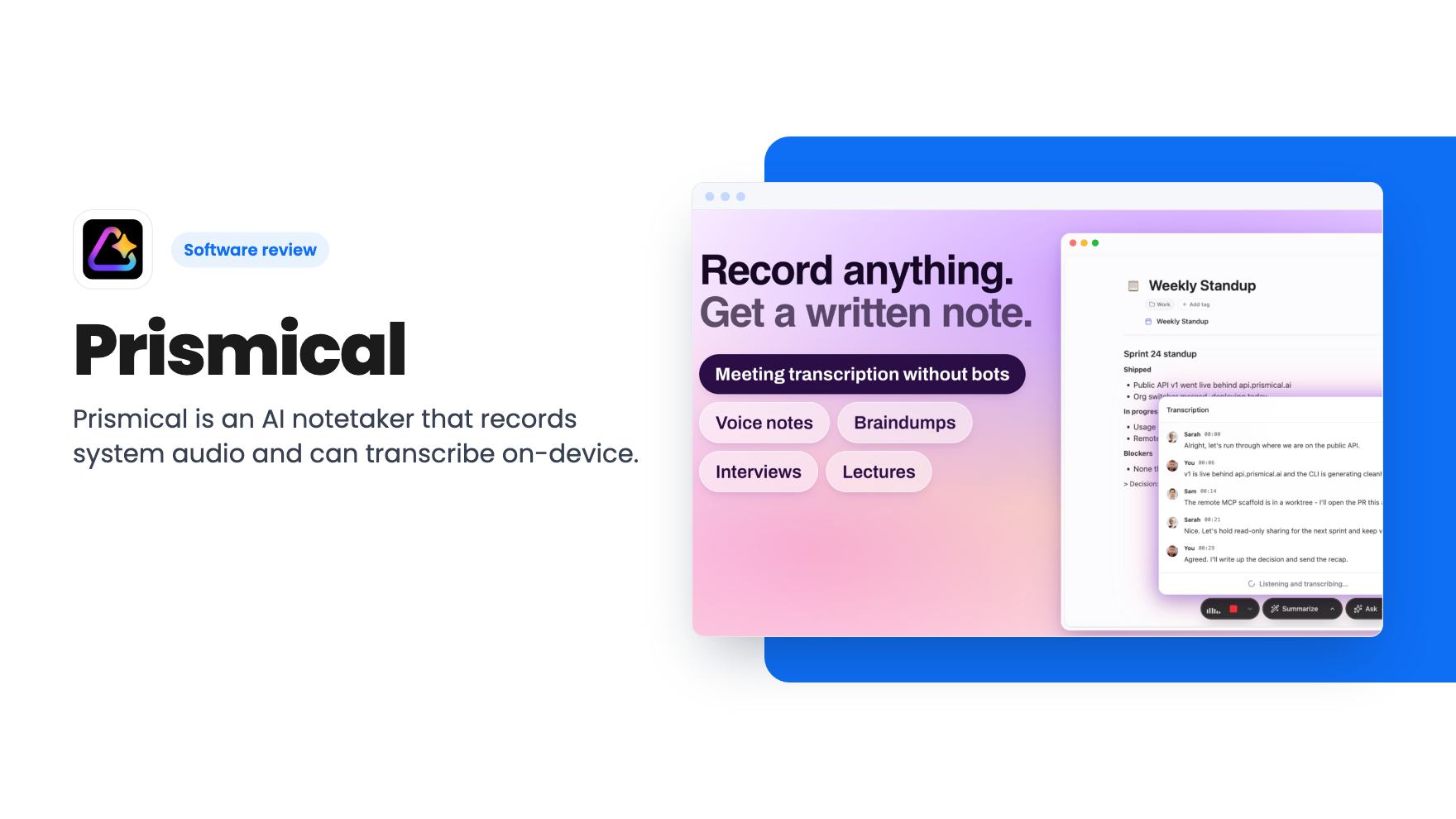
Prismical is an AI notetaker that records system audio and can transcribe on-device. The AppSumo lifetime deal runs $59 to $749, and the tier limits matter.